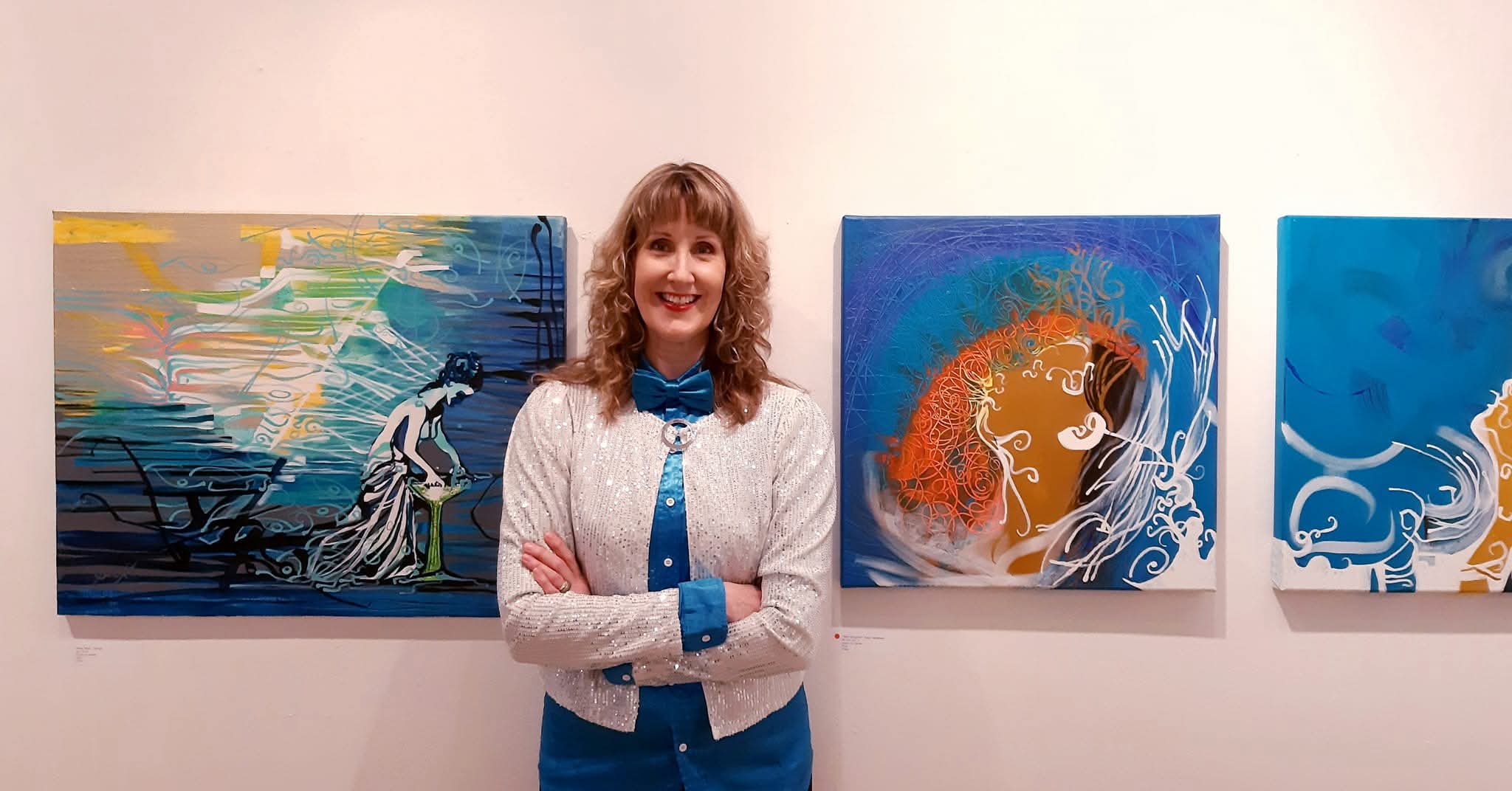
Before the brush touches the canvas, I look at the weather, the light, the landscape – and perhaps most of all, at what is happening inside me. I listen to the feeling. My eyes see the seen and my heart feels the unseen of nature.
As a Finnish woman, I feel connected to the spirits of waters, the ice, the wind, the trees. When I work, I sit for long and watch. Some people may think it is a lazy moment. Not at all. It is an artist at work before the painting begins.
When I begin a painting, I do not necessarily start with a detail. I think about the whole. The atmosphere, the movement, the invisible becoming gradually visible through color.
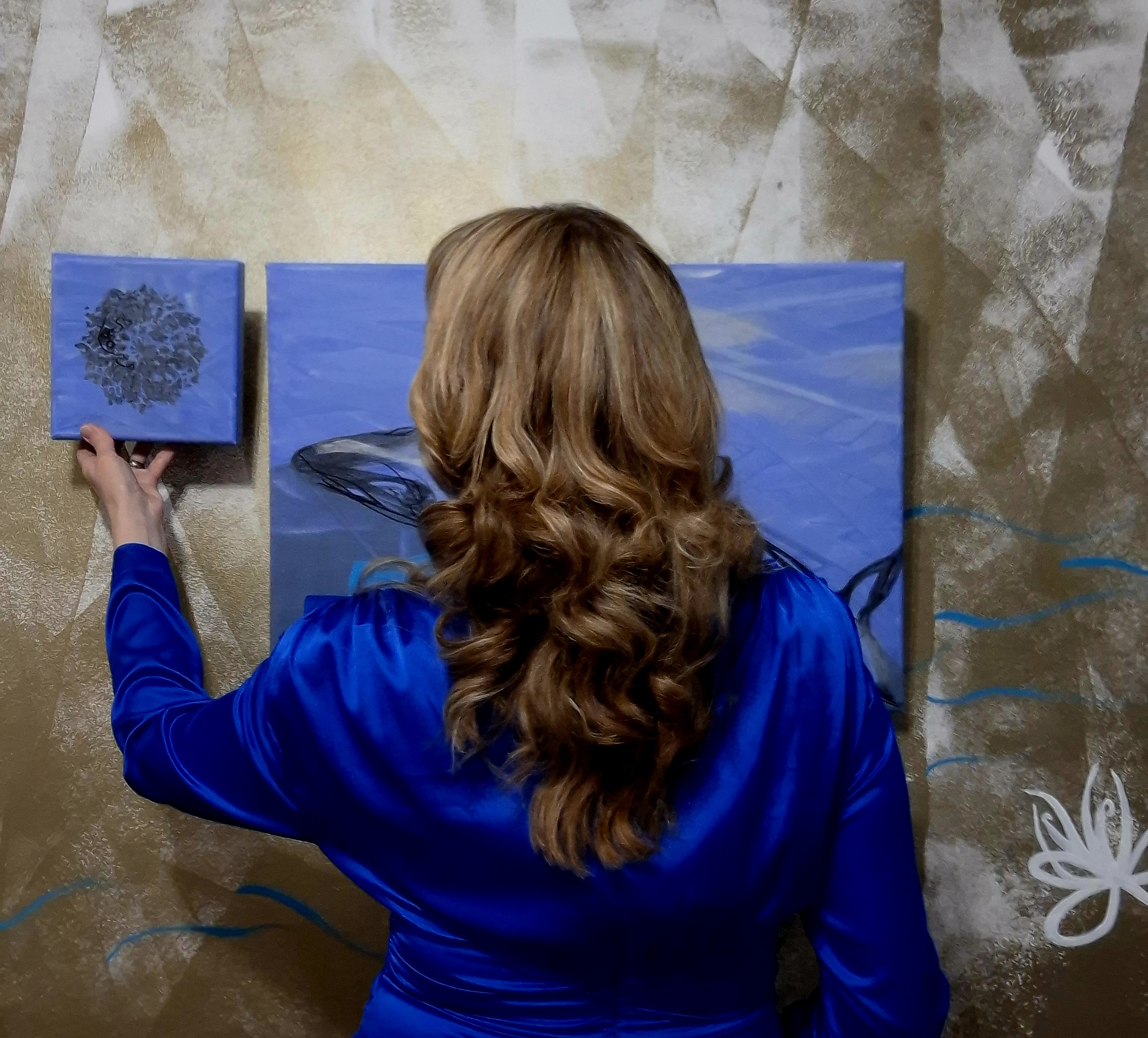
I have painted portraits and many different subjects, but the sea has been part of my artistic journey for years.
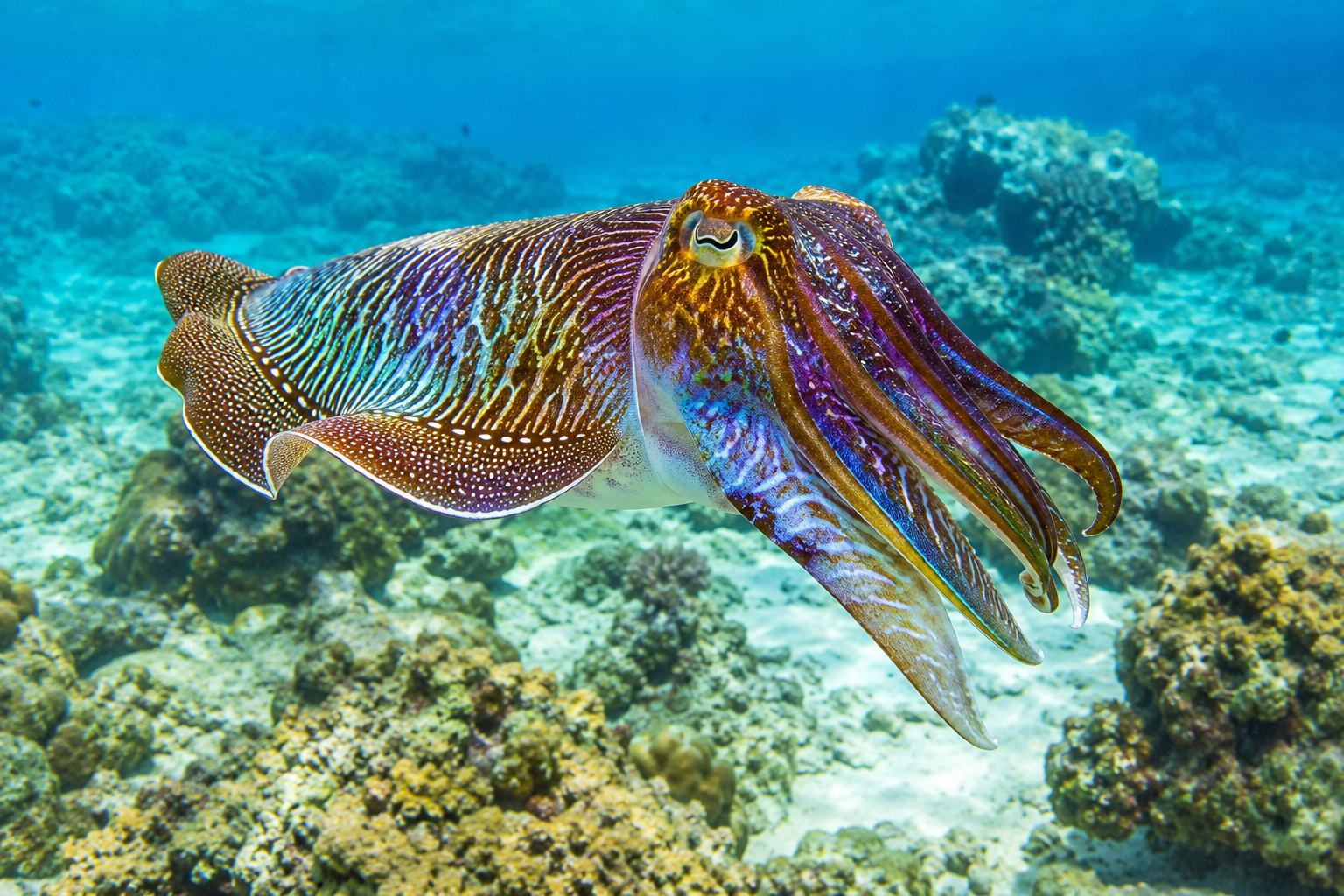
Water always returns. Sometimes it appears as the sea, sometimes as a lake or ice, and sometimes simply as color, movement and space. The big whales are my favourite marine animals. And the charming cuttlefish.
Perhaps that is why painting water has never been only about painting water for me as the element is eternal, changing depending on the conditions. Each particle circulates and comes back again somewhere. This thought is amazing. Water particles never go away.
Water Never Stands Still
Water is one of the most visible forces on Earth — and yet one of the most elusive to truly perceive.
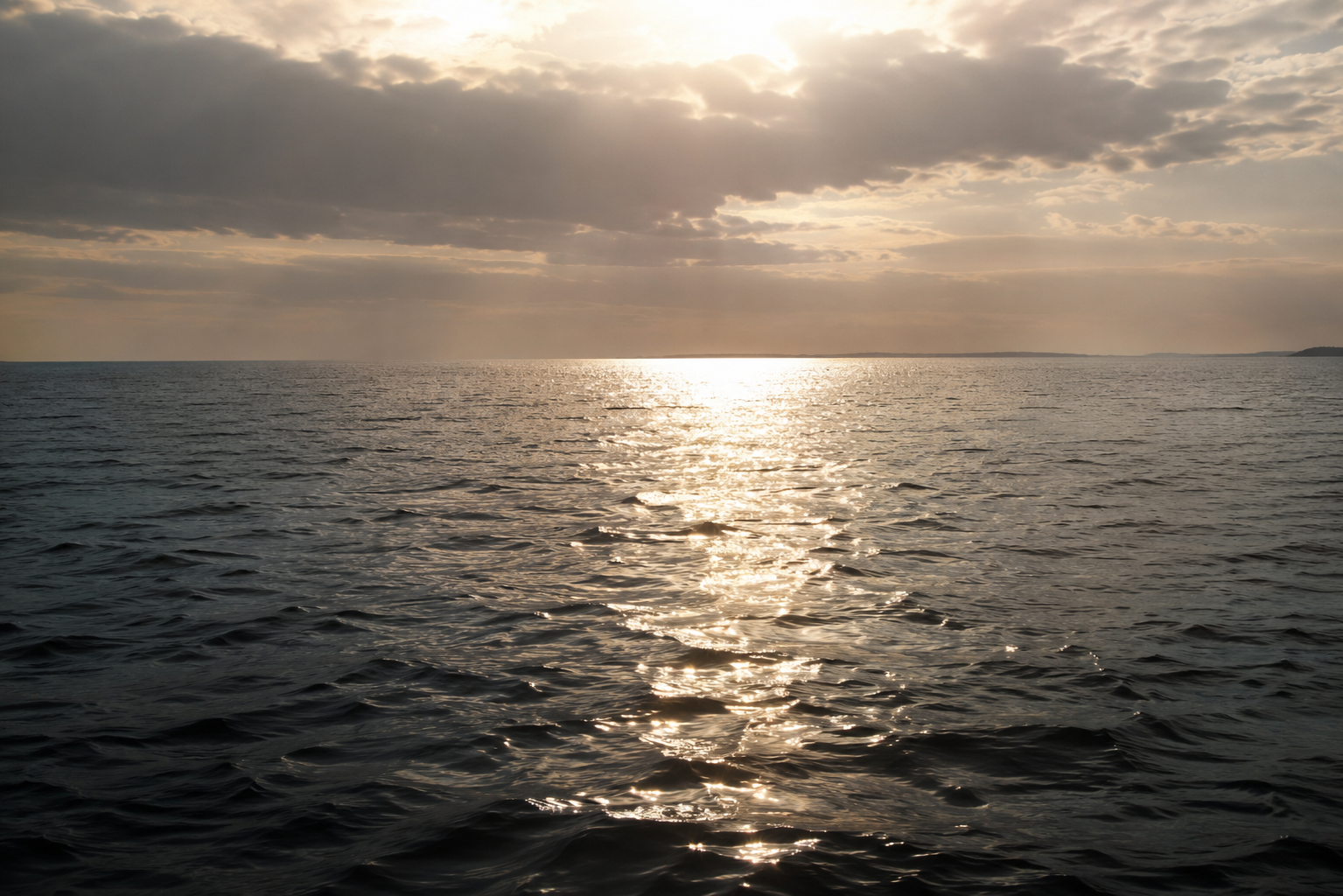
We can stand at the shoreline and watch a breathtaking sunset dissolve into the sea, captivated by the colors, reflections and movement on the surface. But beneath that luminous horizon lies another world entirely: vast, dark, cold and under immense pressure.
What we see is only a thin, shimmering threshold between ourselves and an ecosystem that remains largely beyond human experience.
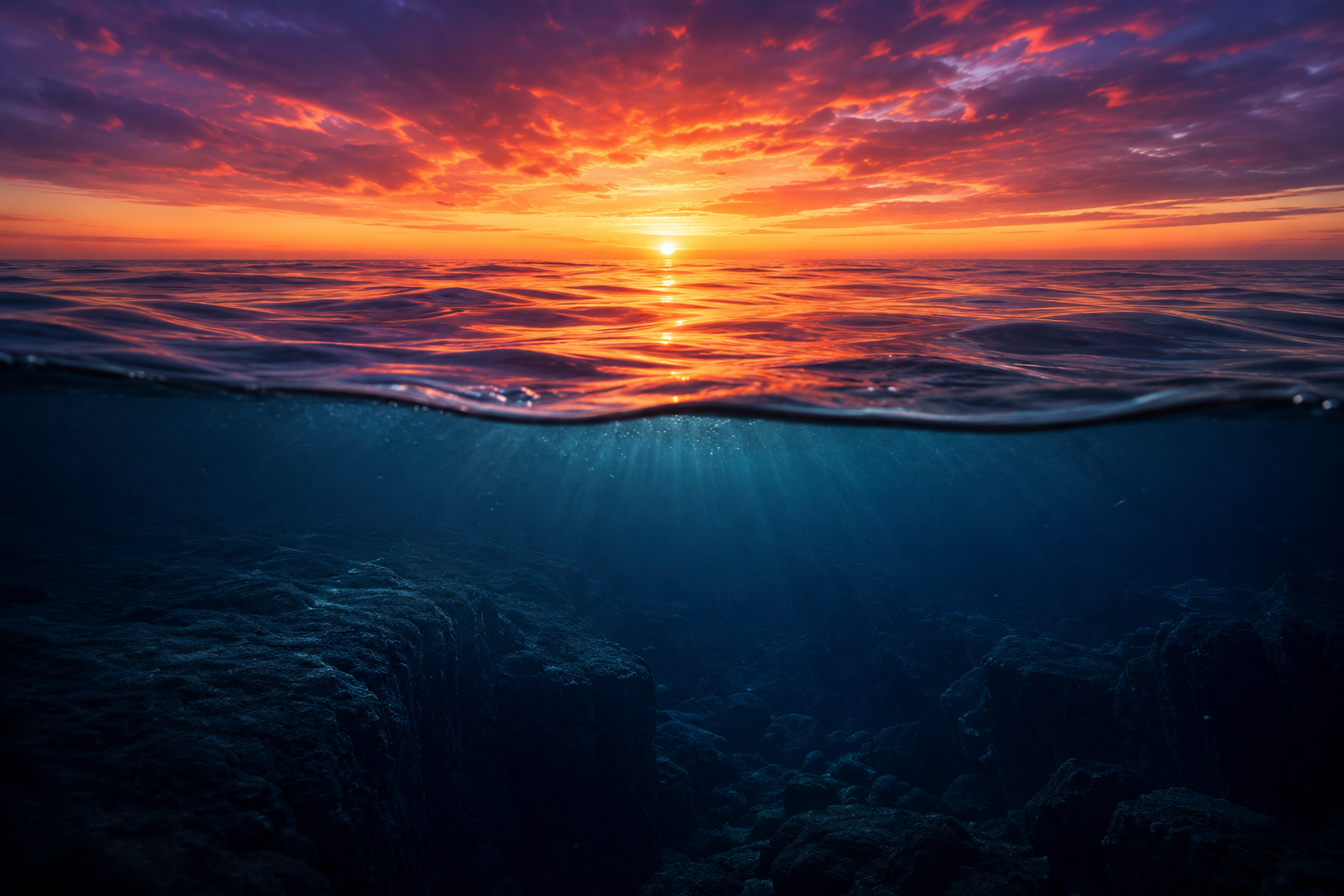
As an artist inspired by marine life and the endless cycles of water, I see the world as deeply interconnected. The visible and the invisible are not separate; they are different expressions of the same living system.
For a painter, looking is a form of discovery. The eye gathers impressions, colors, movement and light, while the mind continues where vision ends. When I paint one painting for days, the process continues into sleep. As I wake up, new visual ideas are fresh for the art peace under creation.
We can watch a sunset dissolve across the surface of the sea, absorbing its shifting colors and reflections. Yet we cannot simply look into the deepest waters. There, light disappears, temperatures drop and immense pressure transforms the environment into something almost impossible to imagine from the surface.
Even now, with extraordinary advances in artificial intelligence and digital mapping are helping us to reveal the contours of the seafloor in ways previously impossible, we still struggle to imagine what it is truly like to exist down there — without sunlight, surrounded by darkness, cold and immense pressure.
The dark ocean scares us. But it is an important part of the ocean ecosystem – as nature has made it.
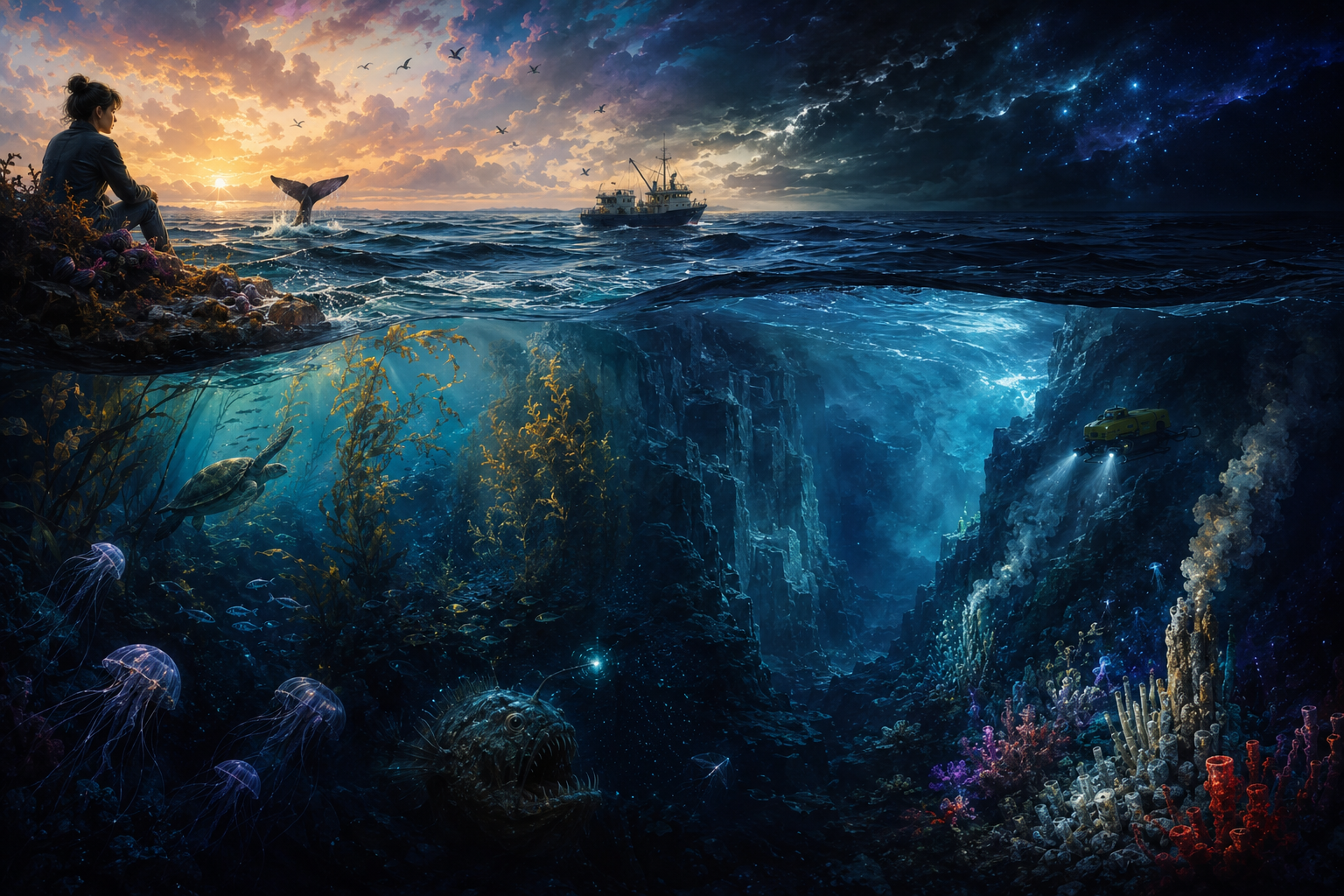
I am drawn to the way light and darkness are not opposites in the ocean, but essential parts of the same living system. Light creates life near the surface; darkness opens into another realm of adaptation, mystery and survival.
This is where my fascination with water begins: in the space between what we can see and what we can only imagine.
It changes with the wind. It transforms with the seasons. In the morning it can be smooth and still; by evening, restless. It can be rain, a cloud, a river, snow, frost, ice or an ocean. The same water continues its journey from one form to another.
A Painting Can Hold the Memory of Water
Water fascinates me also because it carries so many meanings to everyone. In many cultures and spiritual traditions, water is associated with emotions, purification, transformation and the continuity of life. Water is in us. In the air we breathe.
In my 2024 exhibition Water is a Feeling, water became a central theme in abstract painting. I was interested in the nature of water, emotion and contemplation – that moment when the viewer can simply pause and be present with a painting. Not only the seas, but rivers, lakes and the water cycles.
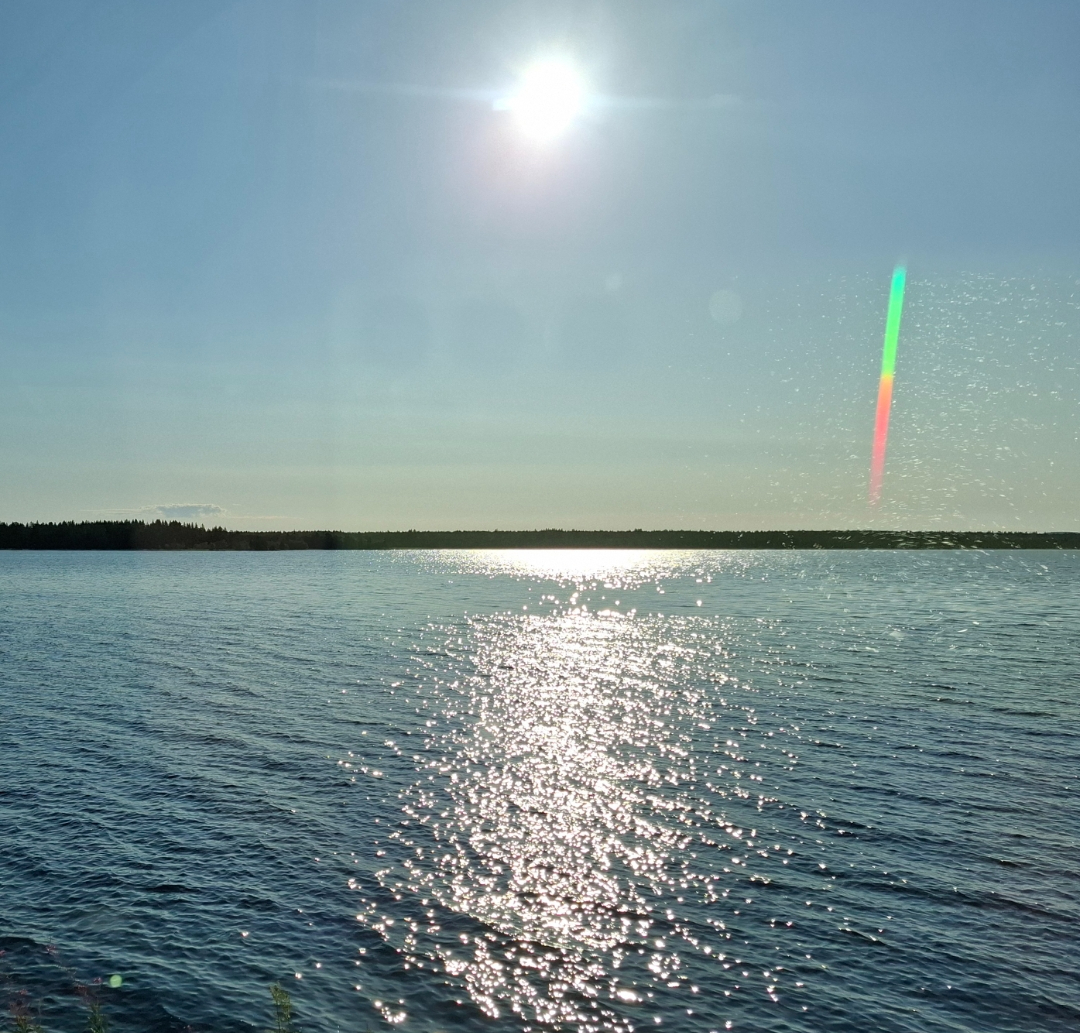
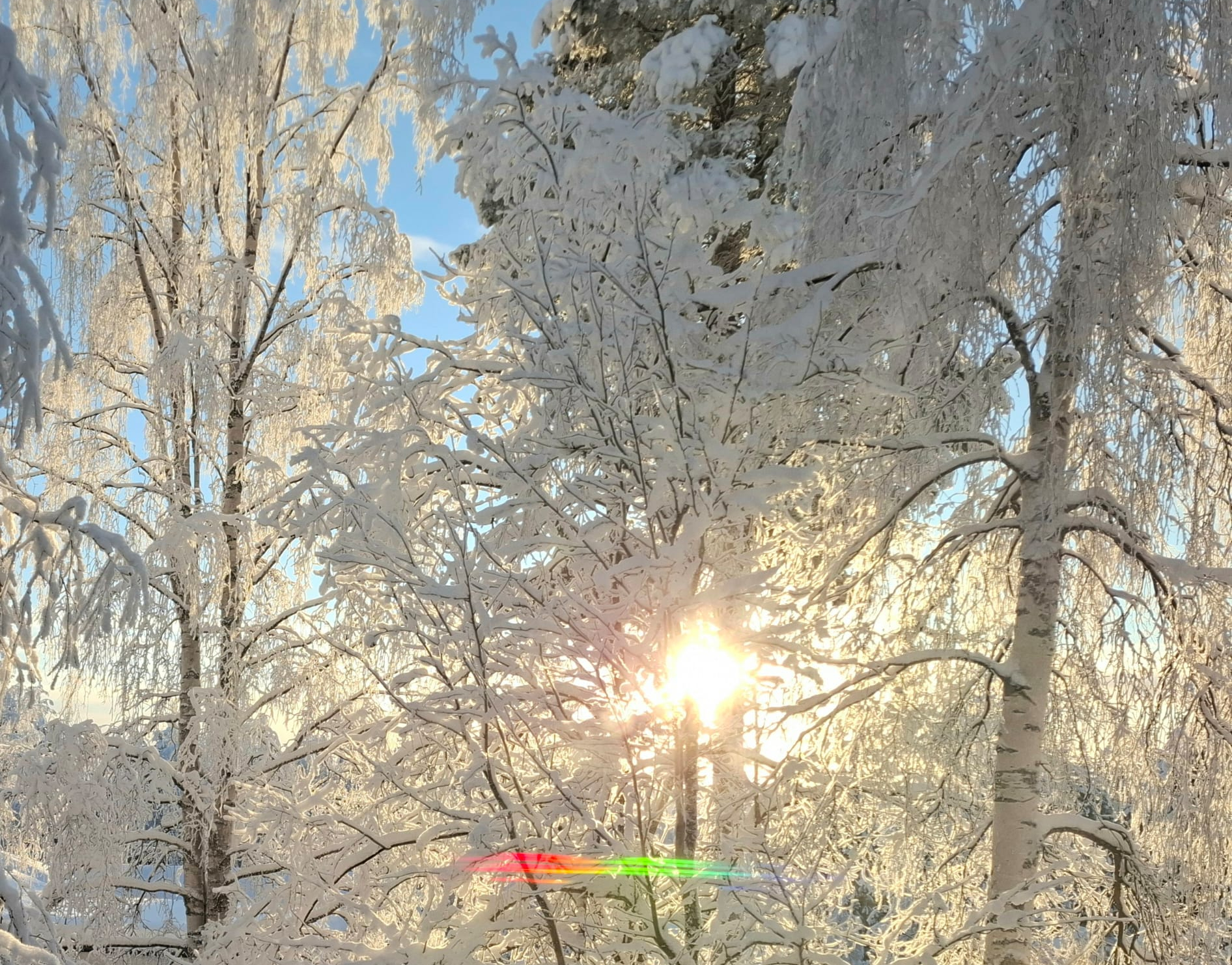
As an art subject, water can be peaceful, powerful, fragile, unpredictable or almost meditative. Sometimes water is present only as a trace – as movement between colors, a reflection of light or a space left for the viewer to complete. And in the luminous cold, as snow and ice.
On a ship from Helsinki to Tallinn, the Baltic Sea looks surprisingly dangerous on a cold autumn day. Then I remind myself that the Baltic is still a relatively shallow sea compared with the vast depths of the Pacific Ocean.
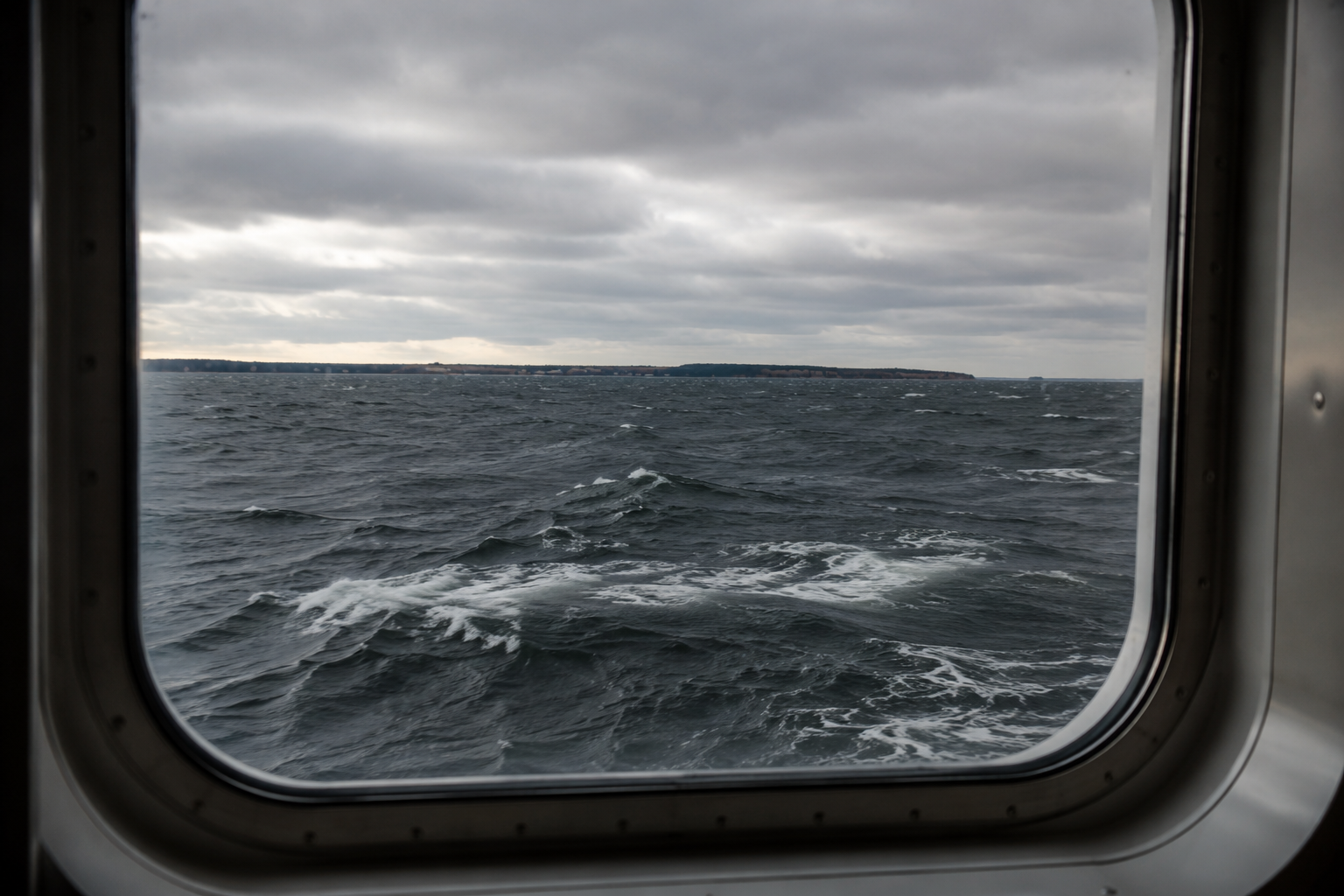
As I watch the waves between Helsinki and Tallinn through the ship’s window, all these thoughts about the sea come to mind. Perhaps this is what it means to be truly inspired by the water as an artist.
Ancient Ice Carries Time Within It
One of the most fascinating forms of water for me is ancient ice.
Ice may appear completely still, yet it can contain an immense span of time. Ice preserves traces of the past – evidence of ancient climates and, in some cases, microorganisms and genetic material from distant periods of Earth’s history.
The seas, rain, clouds, snow, rivers and ice – form one great subject for me. They are not separate things, but different stages of the continuous water cycle of our planet. I so hope we awaken to protect the planet.
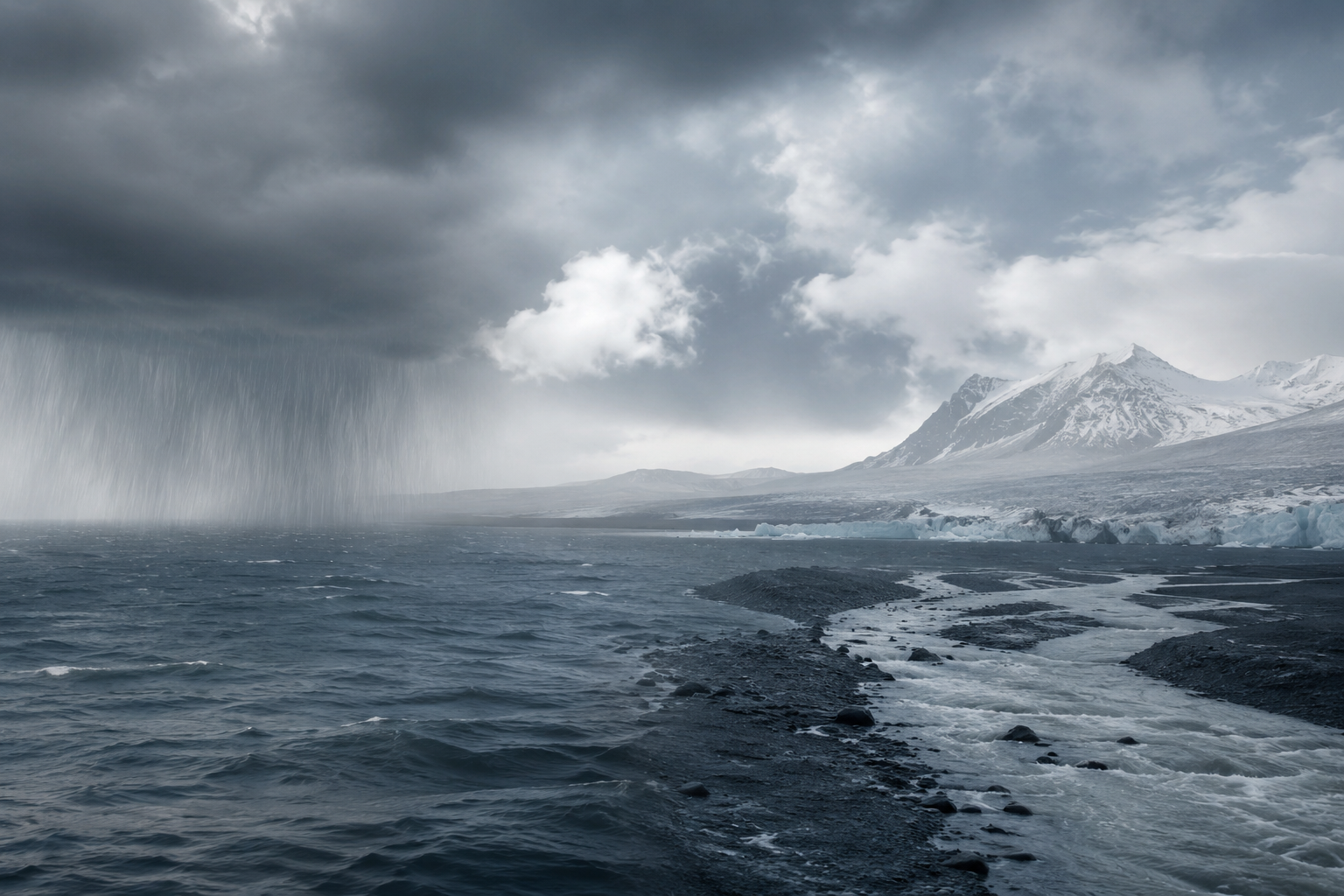
The waters aren’t just beautiful to look at. This element can also be fierce, destructive, and utterly uncontrollable.
Light Diving into Water
One of the most fascinating aspects of painting water is light.
I have also studied the environmental aspects of water and the fundamentals of water management because I want to understand the world of water not only as an artist, but also from the perspective of nature and ecosystems.
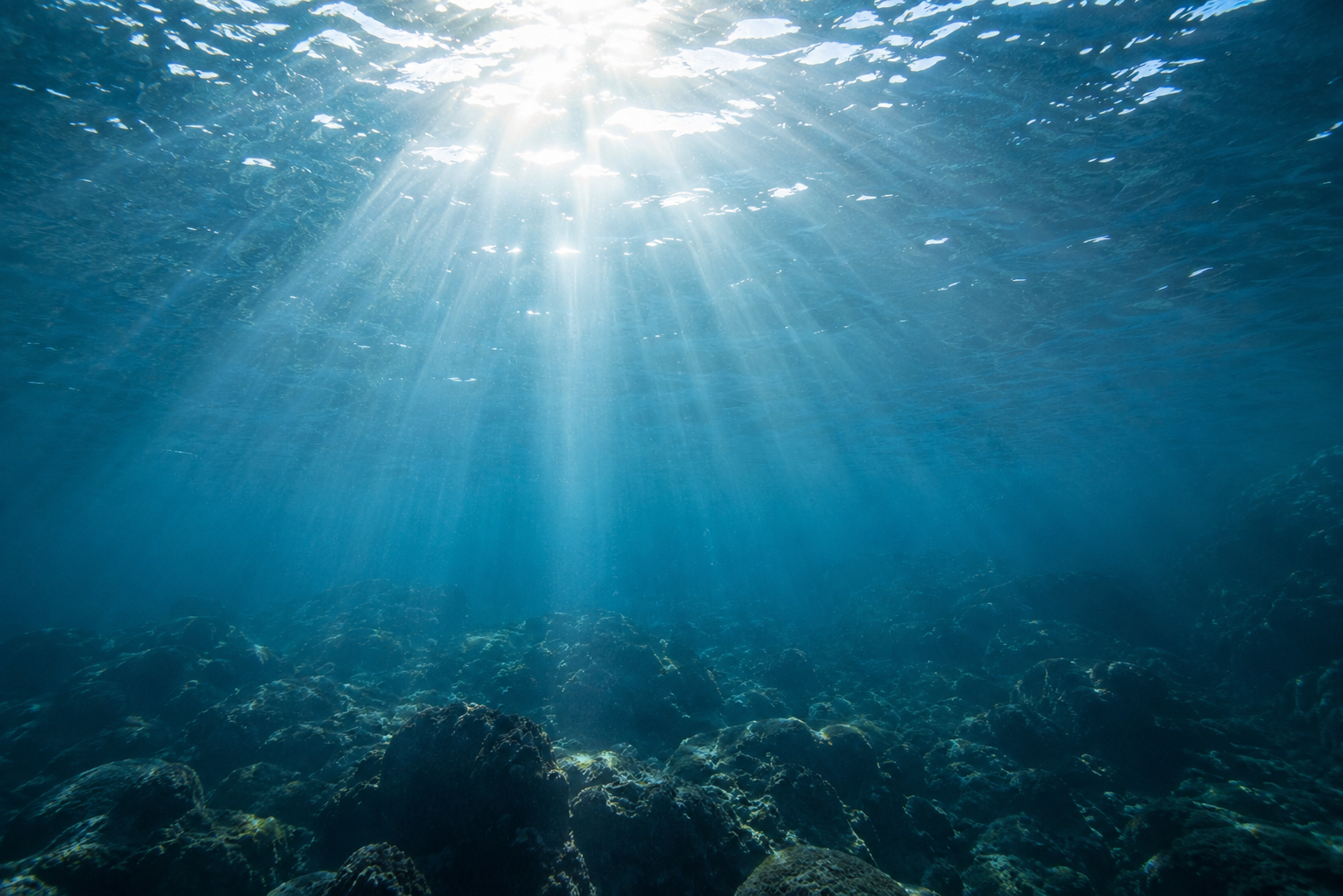
Different wavelengths of light are absorbed at different rates. Red disappears from view relatively quickly, while blue wavelengths travel deeper. Eventually, the underwater world becomes a palette of the missing red that we may never see from the surface in quite the same way.
I find this incredibly fascinating and wonder how people dare to dive so deep, where artificial light is the only things showing reds. I sometimes paint the place, where I would not dare to go – and admire people, who can.
Blue. Green. Violet. Brown. Shadows. The gradual fading of light before complete darkness takes over—and with it, a hidden world of marine life, capable of bioluminescence and sensing wavelengths of light that we could never perceive.
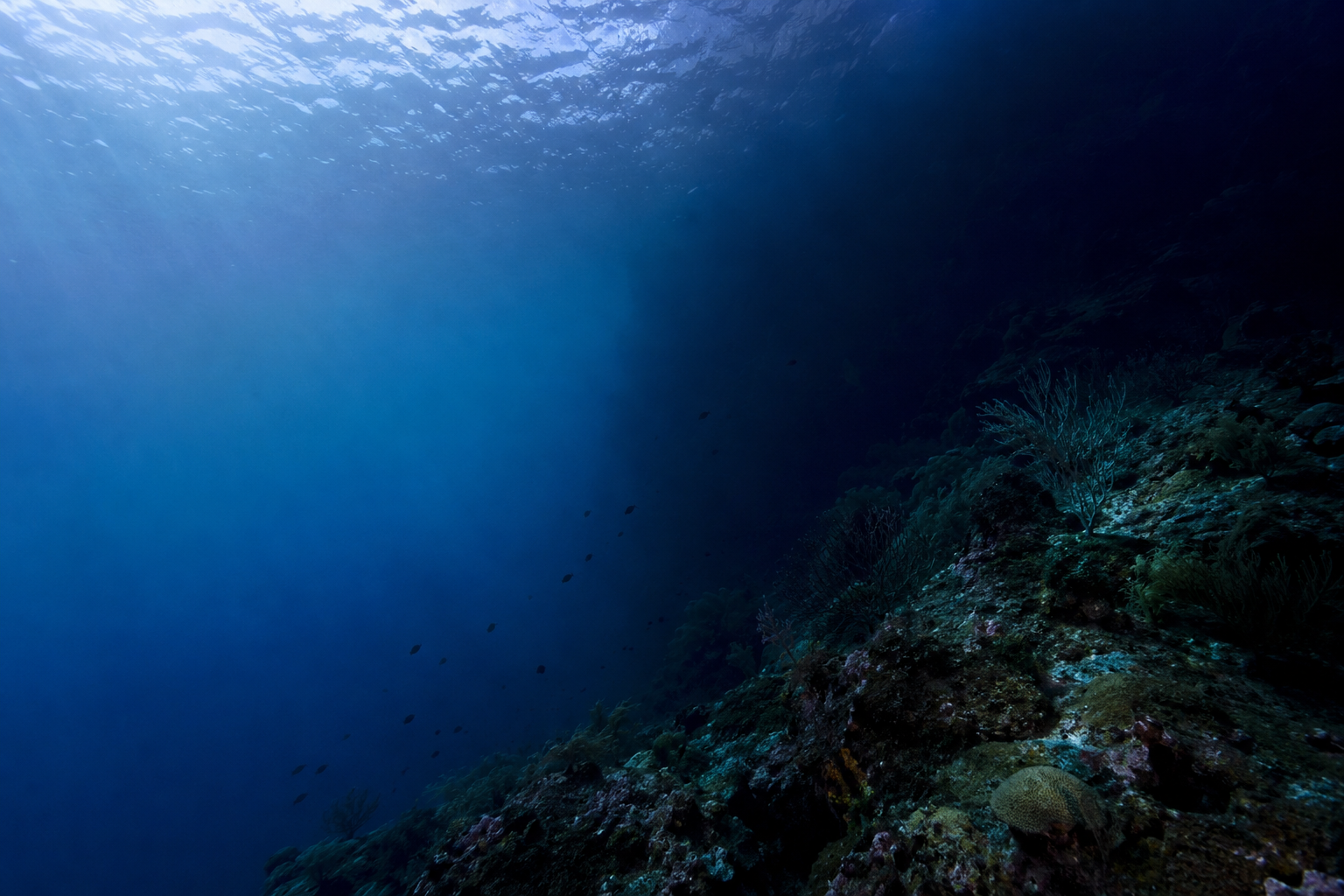
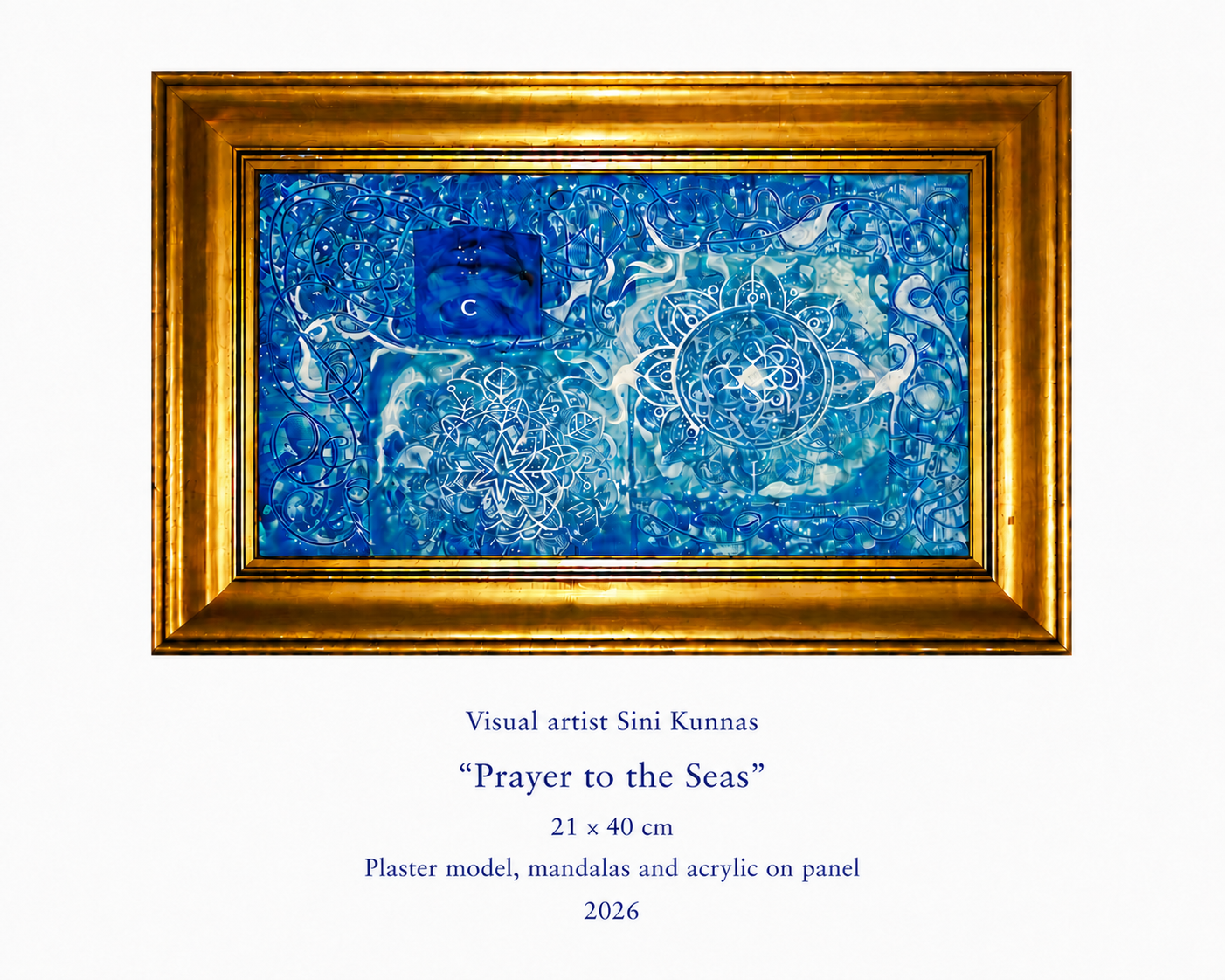
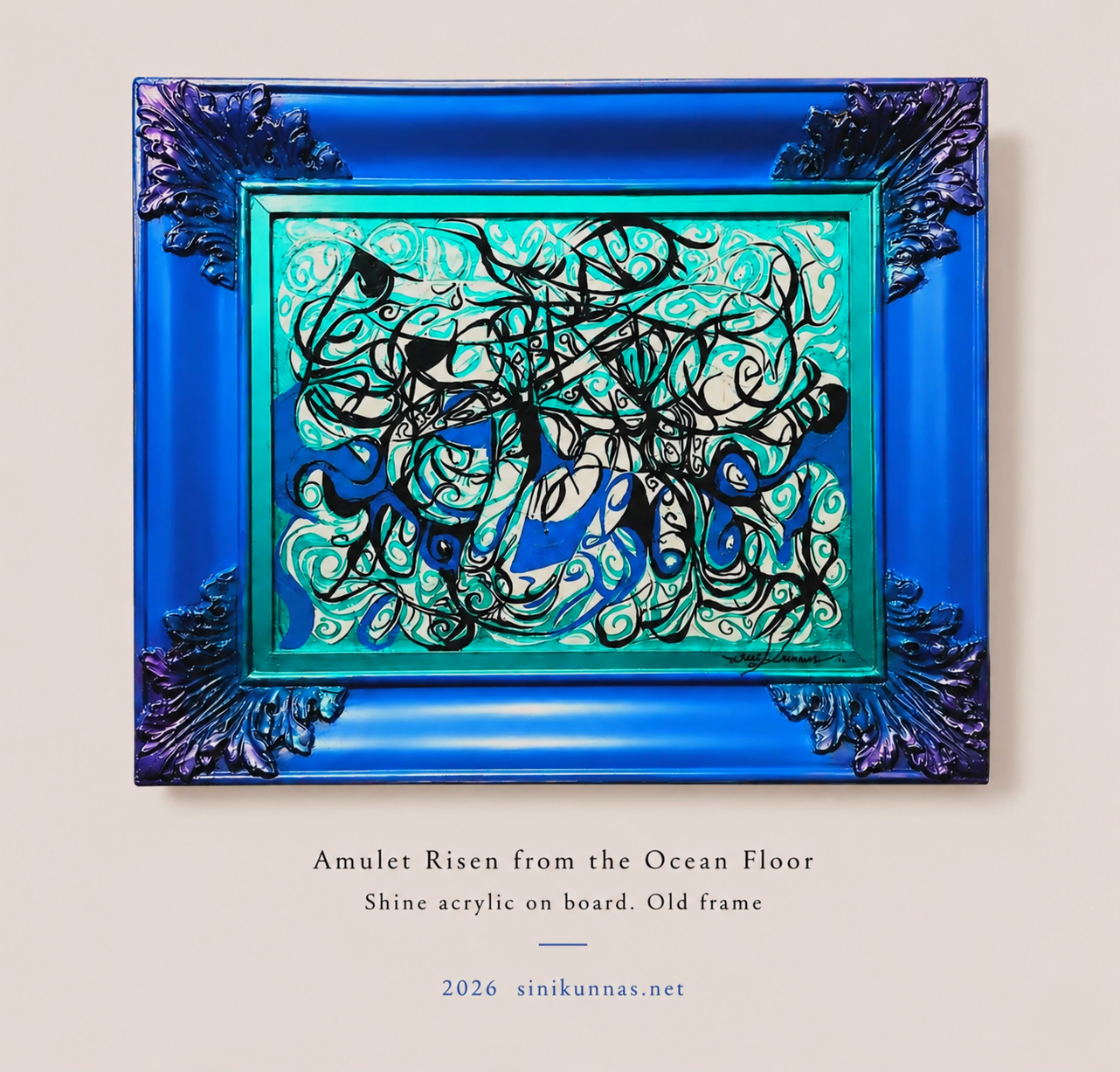
I have created several abstract works exploring this relationship between water, light and color. The painting does not try to tell the viewer exactly what the sea looks like. Instead, it attempts to evoke what the sea might feel like if we could truly see into its depths.
The Sea in the Heart of the City
Together with my team, we have organized World Ocean Day art events in Manhattan, New York, bringing together the sea, art, environmental awareness and international collaboration. In these events, art meets music, performance, fashion and environmental thinking.
In my To The Oceans project, the water cycle, the oceans and humanity’s relationship with water form a larger whole in which art has an important role to play.
I see oceans influencing, art and presence by the waters coming from the same creative source from me.
Like a friend of mine would say: “Sini, you have found your passion in life. The art of the oceans.”
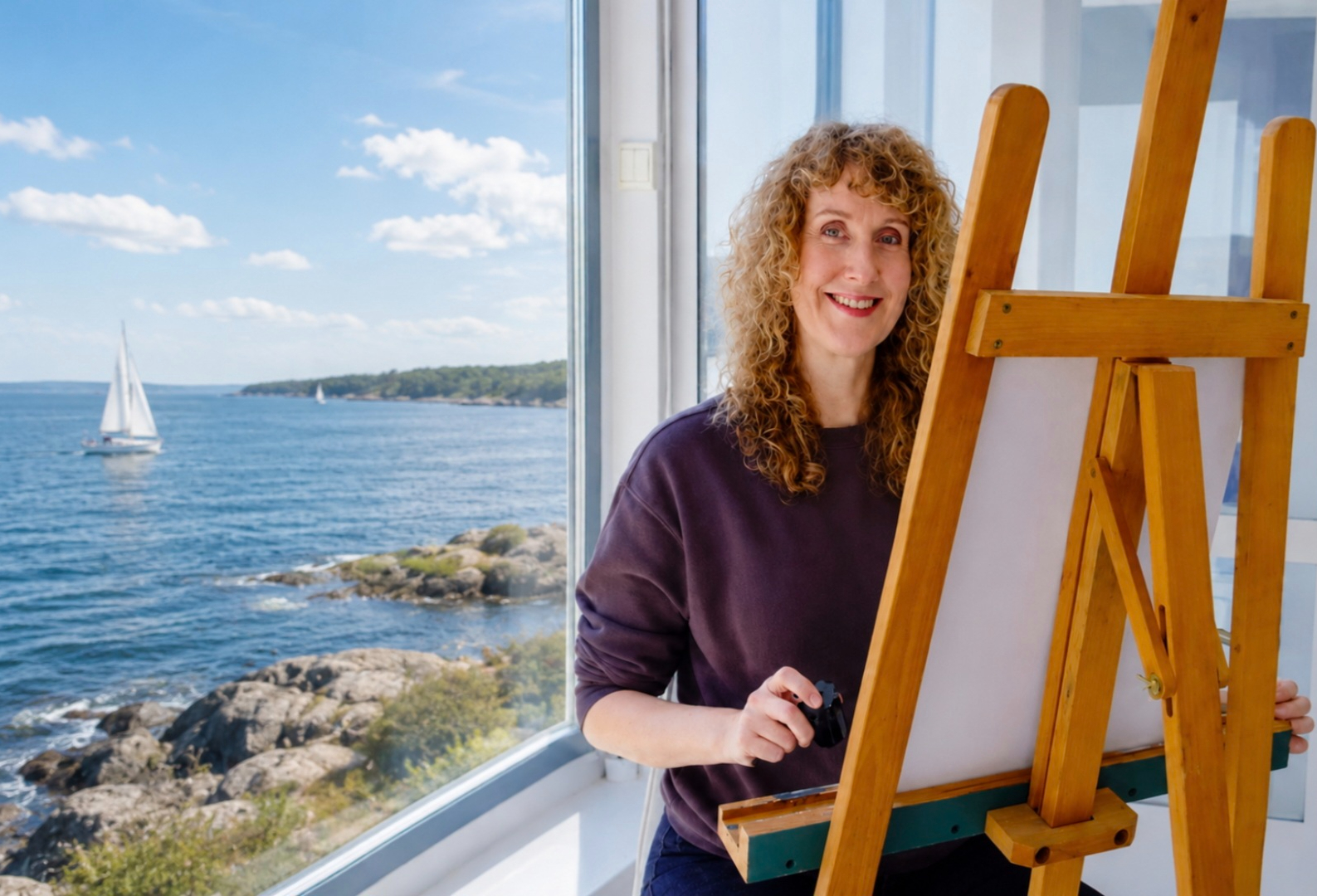
Artist Sini Kunnas works and lives in Lapland, Finland. She travels annually to New York and Africa. Her art works are available for collections. Please contact: artistsinikunnas(a)gmail.com
#artist #oceanart #sinikunnas #artcollection


You must be logged in to post a comment.